
The rapid rise of appetite-suppressing medications has reshaped how people think about weight management. Once limited to treating diabetes, GLP-1–based drugs have surged into the mainstream, becoming a cultural and commercial phenomenon. Yet alongside this explosive growth, a quieter shift is taking place—one that questions whether pharmaceutical solutions are the only path forward.
A new wave of entrepreneurs is stepping into this space with a different philosophy: achieving similar outcomes without injections, prescriptions, or synthetic compounds. At the center of this movement is a startup focused on delivering appetite control through natural, orally consumed solutions.
The idea emerged from observing a behavioral contradiction. Many individuals seeking weight loss were turning to medical treatments, even when they otherwise prioritized clean eating, fitness, and holistic wellness. Despite their effectiveness, these medications often carried a sense of discomfort—both physical and social. For some, the need for injections and ongoing prescriptions felt like a step too far. For others, there was a lingering stigma attached to using medication for weight loss.
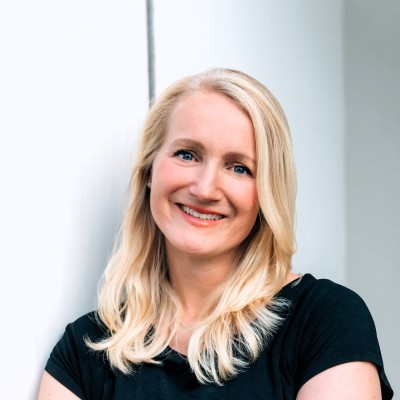
Recognizing this tension, the company’s founder saw an opportunity to rethink how appetite regulation could be approached. Instead of competing directly with pharmaceutical giants, the goal became to replicate the benefits people were seeking—reduced hunger, better metabolic balance—through a more accessible and natural method.
To bring this concept to life, the founder partnered with a scientist specializing in molecular biology. Together, they explored how naturally derived compounds could influence the same biological pathways targeted by GLP-1 drugs. Their research led to the development of a peptide-based formulation designed to interact with the body’s appetite-regulating systems, particularly in the gut.
Unlike traditional medications, this approach focuses on supporting the body’s existing mechanisms rather than introducing synthetic hormones. The product evolved through multiple iterations, from drinkable formats to supplements, before settling on a convenient capsule form. Early feedback from users suggested promising effects, particularly in reducing cravings and supporting portion control.
One of the most compelling aspects of this innovation is its accessibility. Without the need for prescriptions or clinical supervision, it lowers the barrier for individuals who are curious but hesitant about pharmaceutical options. It also aligns more closely with the growing consumer preference for “natural” health solutions—a trend that continues to influence industries from food to fitness.
However, building a company in this space has not been without challenges. Establishing credibility in a market dominated by established drugmakers requires not only scientific validation but also strong storytelling. For a female founder, the journey can be even more complex. Biases—both subtle and overt—still shape how leadership is perceived, especially in high-stakes environments like fundraising and product development.
Beyond external challenges, there is also a unique marketing paradox. While customers may experience positive results, they are not always eager to share the methods behind their transformation. Weight loss remains a deeply personal topic, and many prefer to attribute their progress to lifestyle changes alone. This reluctance can make organic growth slower, even when the product delivers real value.
Despite these hurdles, the company’s vision remains clear: to redefine how people approach appetite control. By offering an option that feels less clinical and more integrated into everyday life, it aims to bridge the gap between medical effectiveness and lifestyle alignment.
As the global market for weight management continues to expand, the competition between pharmaceutical and natural solutions is likely to intensify. Whether this new approach can match the scale and impact of established drugs remains to be seen. But one thing is certain—the demand for alternatives is real, and it is growing.
In a space driven by both science and perception, the future may not belong to a single solution, but to a spectrum of choices that empower individuals to decide what works best for them.