
Australia has taken a major step toward advancing its clean energy ambitions with the approval of the $30 billion Sun Cable project, one of the most ambitious renewable energy initiatives in the world. This groundbreaking project aims to harness the country’s abundant solar resources and export clean electricity to neighboring regions, marking a significant milestone in Australia’s transition toward becoming a global leader in renewable energy.
Backed by Australian tech billionaire Mike Cannon-Brookes, the Sun Cable project centers around the Australia-Asia Power Link, an innovative plan to construct the world’s first large-scale underwater power cable. This infrastructure will transport solar-generated electricity from Darwin, in Australia’s Northern Territory, to Singapore. Spanning approximately 4,300 kilometers, the undersea cable is designed to deliver more than 20 gigawatts of renewable energy by 2030, making it one of the largest renewable energy export systems ever conceived.
The project will rely on a massive solar farm to be built in northern Australia, taking advantage of the region’s high solar exposure. The electricity generated will not only support domestic energy needs but will also be transmitted internationally, positioning Australia as a key exporter of clean energy. This initiative reflects a broader shift toward sustainable energy solutions and demonstrates how technological innovation can help address global climate challenges.
In addition to its environmental impact, the Sun Cable project is expected to bring substantial economic benefits, particularly to Northern Australia. It is projected to create approximately 14,300 jobs during its development and operational phases, providing a significant boost to local employment. The initiative is also anticipated to stimulate growth in research, manufacturing, and innovation within the renewable energy sector, helping to strengthen Australia’s position in the global clean technology market.
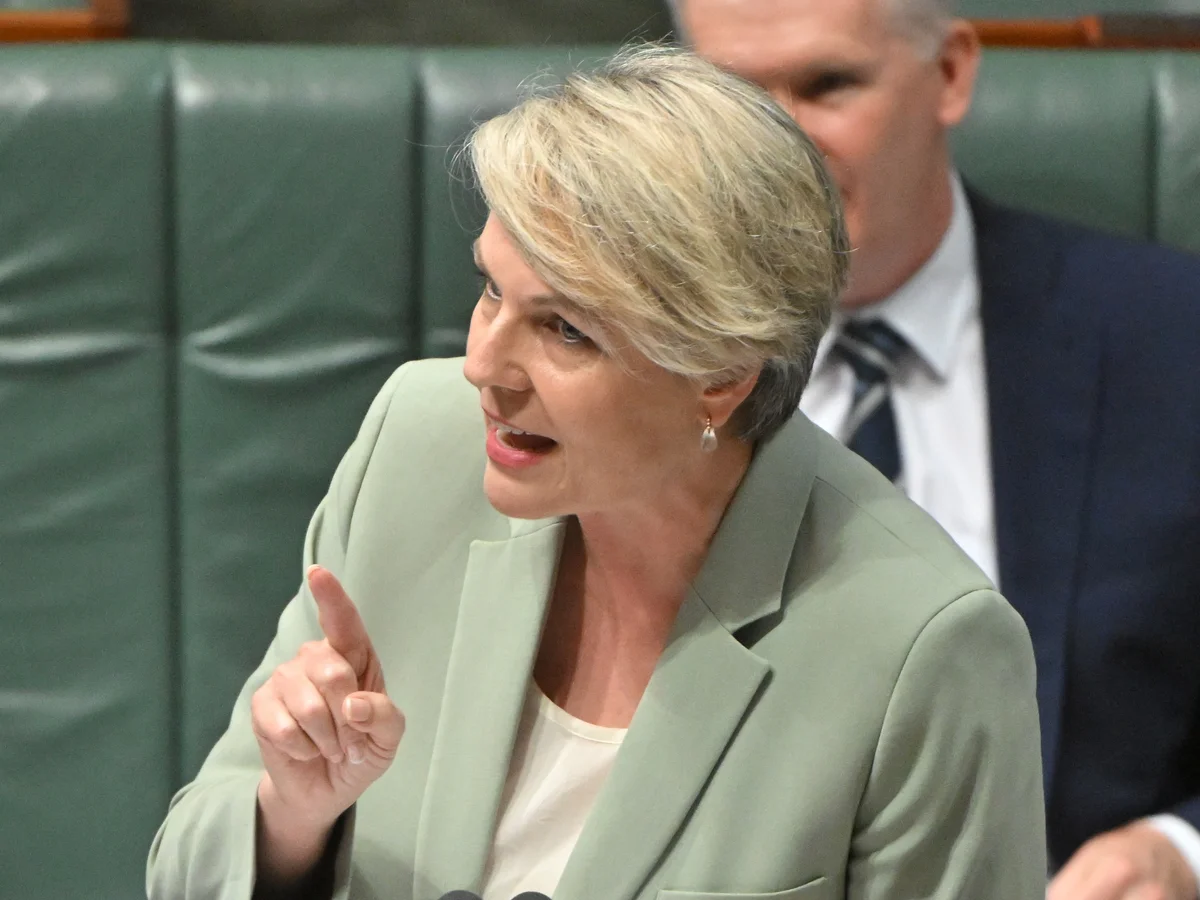
Australian Minister for the Environment, Tanya Plibersek, has expressed strong support for the project, highlighting its potential to transform the nation’s energy landscape. She emphasized that initiatives like Sun Cable are critical to establishing Australia as a renewable energy superpower, capable of supplying clean energy not only domestically but also to international partners. The project aligns with broader government efforts to reduce carbon emissions and accelerate the transition to sustainable energy sources.
Despite receiving initial approval, the project still faces several important challenges before construction can begin. One of the key hurdles involves securing final consent from Indigenous communities across Australia, as well as stakeholders in Indonesia and Singapore, whose regions will be affected by the cable’s route. These consultations are essential to ensure that the project proceeds in a way that respects local communities, cultural heritage, and environmental considerations.
Negotiations with these stakeholders are currently ongoing, and the project developers are working to address concerns and build consensus. If these discussions are successful, Sun Cable is expected to move into its next phase of detailed planning and development. A final investment decision is anticipated by 2027, which will determine the timeline for construction and eventual operation.
Mike Cannon-Brookes, widely recognized for co-founding the software company Atlassian, has emerged as a prominent figure in the renewable energy space. With an estimated net worth of $10.7 billion, he has committed significant resources to advancing clean energy initiatives. Beyond Sun Cable, he has also invested in Australian utility company AGL Energy, advocating for a faster transition away from fossil fuels and toward sustainable alternatives.
Through projects like Sun Cable, Cannon-Brookes is helping to drive innovation and investment in clean technology, positioning himself as a key leader in the fight against climate change. If successfully completed, the Australia-Asia Power Link could serve as a model for future international renewable energy projects, demonstrating how countries can collaborate to share sustainable energy resources and reduce global carbon emissions.