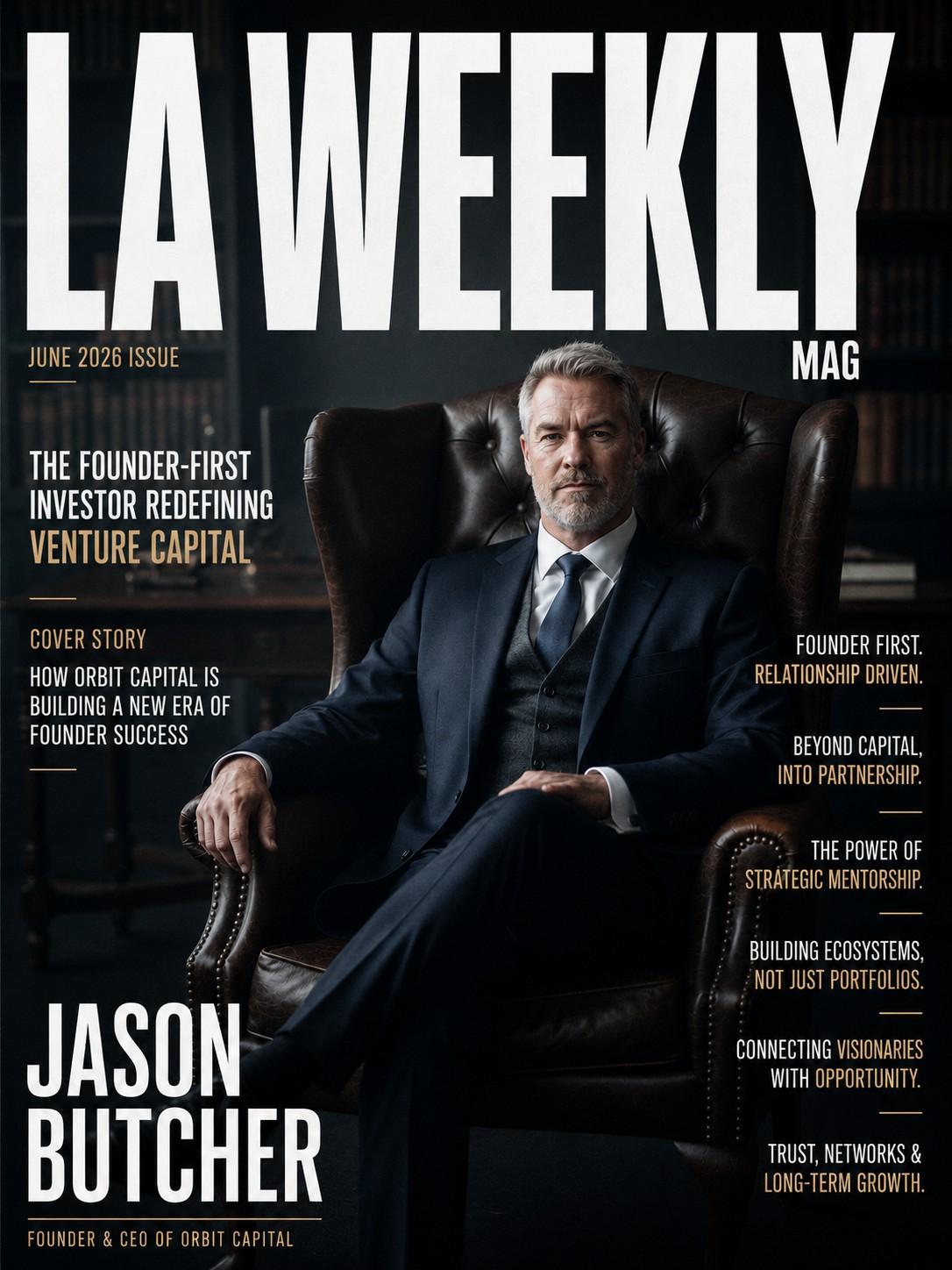
For decades, venture capital followed a relatively simple formula.
Investors identified promising companies, deployed capital, and hoped that a small number of exceptional outcomes would generate returns large enough to justify the risks. While capital remains essential, a growing number of entrepreneurs are discovering that money alone rarely determines whether a company succeeds or fails.
Execution matters.
Relationships matter.
Guidance matters.
And increasingly, founders are looking for investors who can contribute far more than a check.
Jason Butcher has spent much of his career operating at the center of that shift.
As founder and CEO of Orbit Capital, Butcher has emerged as a prominent advocate for what many are now calling founder-first investing, an approach that prioritizes strategic partnership, mentorship, community building, network access, and long-term alignment alongside financial backing. His work reflects broader changes taking place throughout venture capital, technology, and entrepreneurship, where founders increasingly seek investors capable of helping them navigate growth rather than simply funding it.
What makes Butcher's story particularly interesting is that he did not begin in traditional venture capital.
Long before he became known as an investor, advisor, mentor, and ecosystem builder, he was fascinated by something much simpler: connecting people.
Growing up in Vancouver, Butcher developed an early appreciation for entrepreneurship and community building. Even during high school, he was drawn toward the idea that relationships themselves could create value. Shortly after graduation, he launched The Home Based Journal, a publication designed to help entrepreneurs share knowledge, build connections, and learn from one another. At a time when the internet was still reshaping how information moved through society, Butcher found himself participating in a period of enormous transformation.
That experience would prove formative.
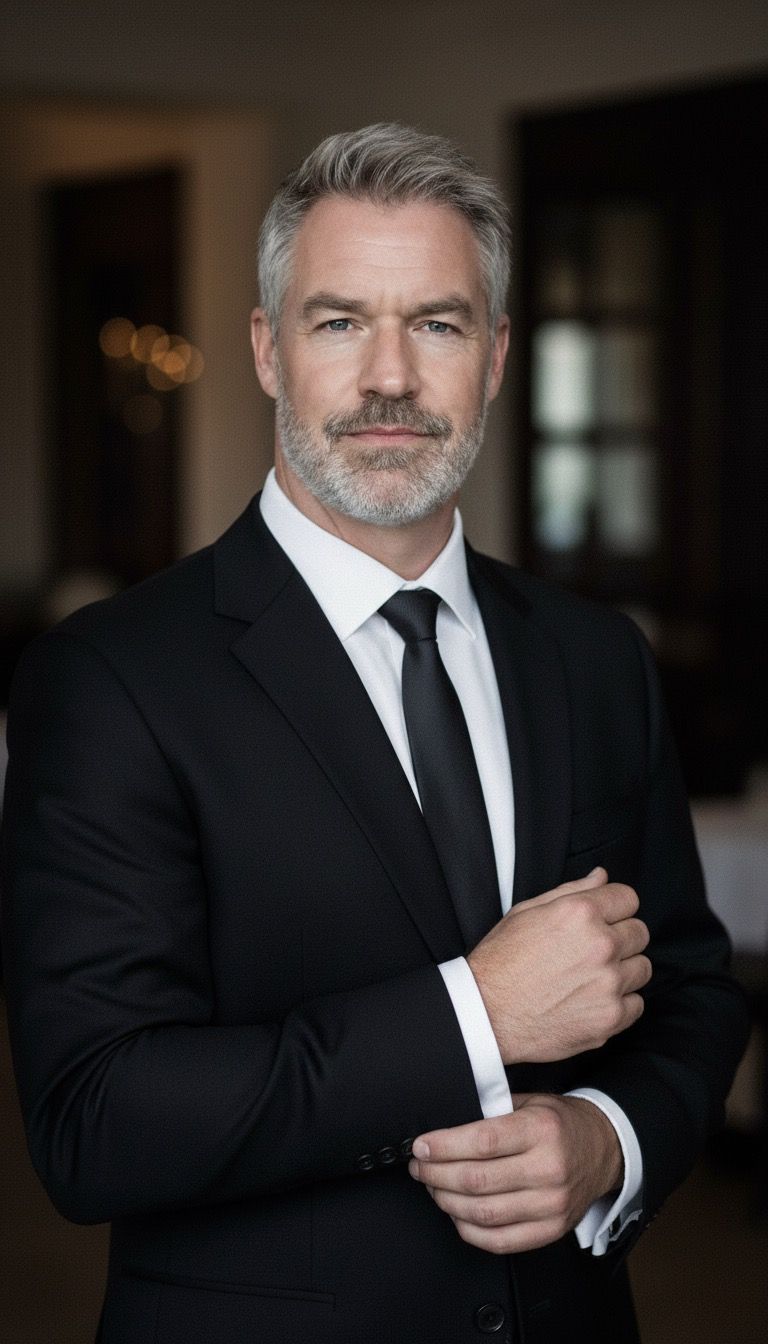
While many people viewed technological change primarily through the lens of products and platforms, Butcher became increasingly interested in the human infrastructure behind innovation. He saw firsthand how communities formed around ideas, how mentorship accelerated growth, and how access to the right relationships could dramatically accelerate success.
This perspective eventually influenced every stage of his career.
Over time, Butcher became involved across multiple sectors including financial technology, payments infrastructure, sports technology, artificial intelligence, mental health innovation, digital media, and emerging technology ventures. Rather than limiting himself to a single industry, he developed a reputation as someone capable of identifying talented founders and helping them connect with the resources needed to scale.
Through Orbit Capital, founder communities, accelerator programs, and mentorship initiatives, Butcher has supported entrepreneurs across multiple regions, helping them gain access to strategic partnerships, advisors, customers, industry expertise, and growth opportunities that extend far beyond capital itself.
His philosophy differs in meaningful ways from traditional investment models.
Historically, many venture investors focused heavily on financial metrics, market opportunities, and exit potential. Those considerations remain important, but Butcher repeatedly emphasizes a different factor: people.
In interviews, he has argued that genuine value creation happens when founders, investors, advisors, and partners align around a shared vision. Trust, communication, and mutual support become competitive advantages that cannot easily be replicated through capital alone.
This belief has become central to Orbit Capital's identity.
Under Butcher's leadership, the firm has positioned itself as more than an investment vehicle. It functions as a founder support ecosystem designed to help entrepreneurs access strategic guidance, industry expertise, introductions, mentorship, and community alongside funding. The goal is not simply to finance businesses but to strengthen the conditions that allow founders to succeed.
The timing of this approach is significant.
The venture landscape has changed dramatically over the last decade. Capital has become more abundant in many sectors. At the same time, competition has intensified. Startups today often have access to funding options that were unavailable to previous generations of entrepreneurs.
As a result, the real differentiator is increasingly support rather than money.
A founder can secure investment from multiple sources. Finding partners who genuinely contribute to growth is considerably more difficult.
This reality has fueled growing interest in founder-first ecosystems, communities where investors, operators, advisors, and entrepreneurs collaborate in ways that extend beyond individual transactions.
Butcher has been an active participant in that movement through his mentorship work with the Founder Institute, his involvement with startup accelerators and founder communities, and his support for entrepreneurship initiatives through organizations such as the Cayman Islands Centre for Business Development. These efforts reflect his belief that access to knowledge, relationships, and mentorship can often be as valuable as access to funding.
According to several recent analyses, these ecosystems are becoming increasingly important as technology sectors grow more complex and founders seek practical support navigating rapid change.
Butcher's career places him squarely within this movement.
Beyond investing, he is known as a mentor, advisor, connector, and advocate for entrepreneurship. Many of the founders he works with describe him less as a financier and more as a strategic partner. This distinction matters because early-stage companies often face challenges that cannot be solved through capital alone.
They require introductions.
They require perspective.
They require mentorship.
They require access to experienced operators and advisors who have navigated similar challenges before.
Most importantly, they require someone willing to engage with the realities of building a company rather than simply evaluating it from a distance.
For Butcher, mentorship has become a central part of that process. He frequently speaks about the importance of ensuring founders have access to trusted advisors and supportive communities, particularly during periods of uncertainty, growth, and decision-making. In his view, entrepreneurship is rarely a solo journey, and the strongest ecosystems are built when experienced leaders actively help the next generation succeed.
That willingness to participate appears to be one of Butcher's defining characteristics.
In discussing leadership, he has repeatedly emphasized the importance of contribution. Rather than observing from the sidelines, he believes investors should actively engage with founders, learn alongside them, and become part of the creative process. In his view, contribution creates understanding, and understanding creates better outcomes.
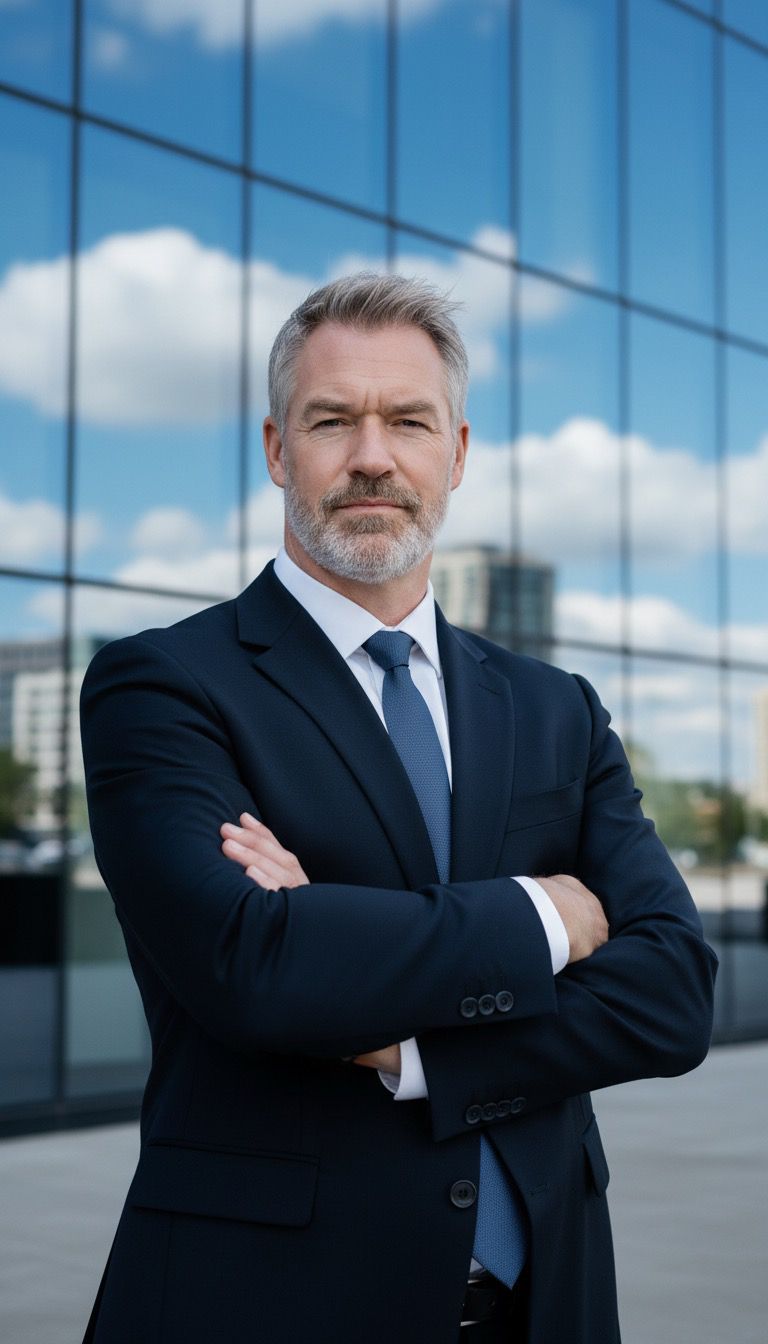
He also advocates for a surprisingly human approach to business.
While many conversations about venture capital focus on valuation, growth rates, and exits, Butcher frequently returns to themes such as empathy, trust, collaboration, and genuine care for the people involved. He argues that businesses perform better when stakeholders feel connected to a shared purpose and when relationships are built on authenticity rather than purely transactional incentives.
This perspective resonates strongly with broader trends currently shaping entrepreneurship.
Across technology, venture capital, and private markets, there is growing recognition that founder wellbeing, organizational culture, mentorship, and relationship quality directly influence business performance. Investors are increasingly paying attention to leadership dynamics, emotional intelligence, and ecosystem health alongside traditional financial indicators.
In many respects, Butcher anticipated this shift.
His emphasis on human connection, founder support, and ecosystem building emerged long before these ideas became mainstream discussion points within venture circles.
His story illustrates how modern investing itself is evolving.
The future of venture capital may not belong solely to those with the deepest pockets.
It may belong to those who can create the strongest networks.
Those who can connect the right people.
Those who understand that trust often compounds faster than capital.
And those who recognize that helping founders succeed requires far more than funding alone.
Jason Butcher's career reflects that emerging reality.
He is not simply investing in companies.
He is investing in people, relationships, and communities.
And increasingly, those may prove to be the most valuable forms of capital available.
Connect with Jason Butcher
Orbit Capital: https://orbitcapital.com
LinkedIn:Jason Butcher